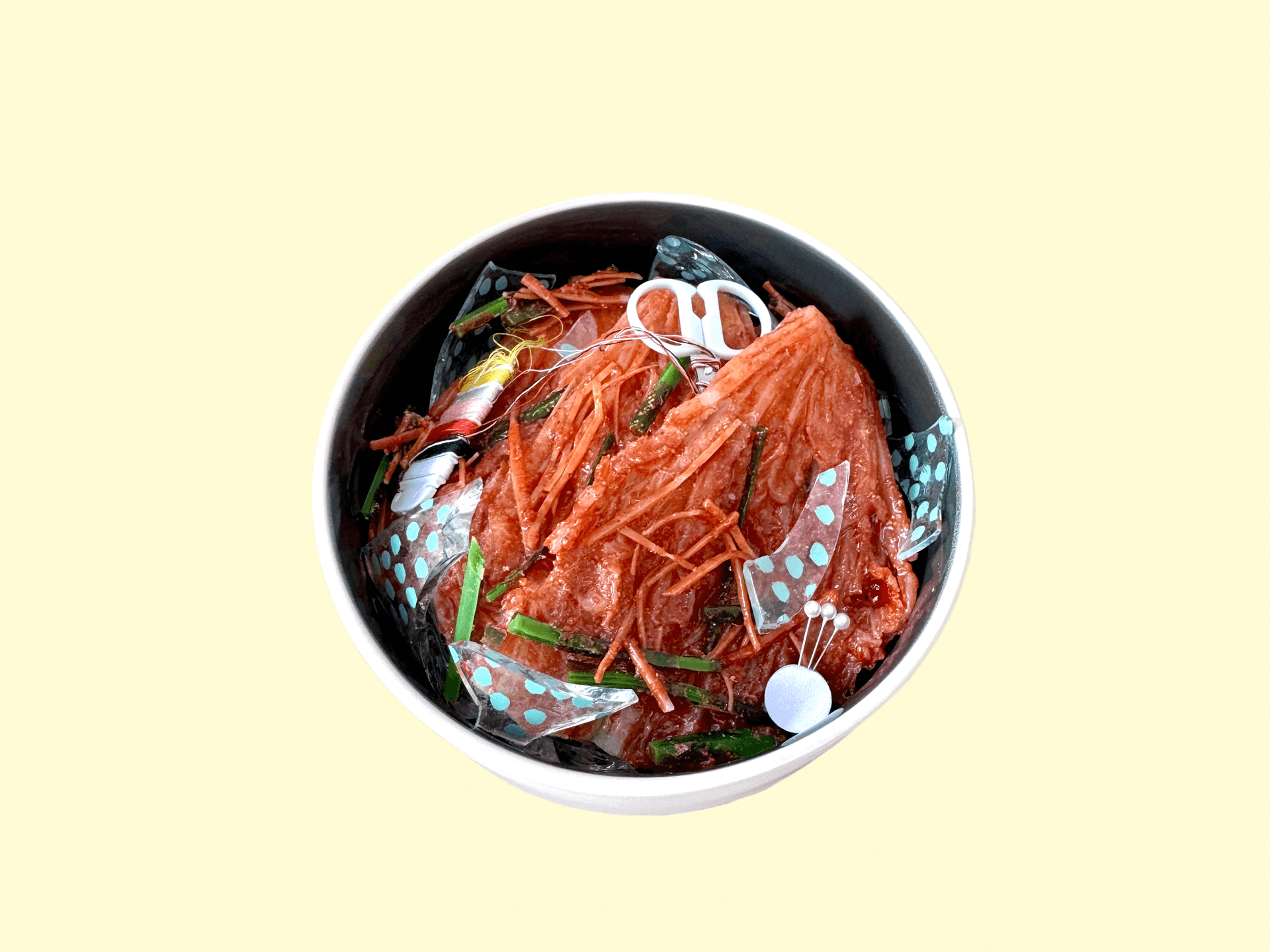
All Essential, But…
정지은 Ji-eun Jung
“Why rush to find a job? Your partner already has a good one—with status, too. What are you worried about?” said a friend, casually, when she voiced concerns about her career.
She still remembers: after her mother married her father, she quit her job to raise two children. Until her elder daughter entered middle school, she stayed home full-time. Yet her father would often say, “You’ve been home all day—shouldn’t you think about earning something?”
It was ironic. Her mother managed the household, cared for two children, visited her grandmother next door. Still, she was expected to find time to make money—without letting anything else slip. Her father, meanwhile, had total freedom after work. As if his duty ended with income. Everything else was left to her mother.
From then on, she vowed never to follow the same path—she would not marry. One belief etched itself into her mind: “Women must have their own income. Only then can they speak at home.”
She worked hard, always. But she also saw colleagues—mothers—tiptoeing through workplaces, afraid of judgment. Some quit. Some stayed, only to be sidelined. She promised herself, “I won’t let that be me. I won’t have children. I’ll protect this space I’ve built.” And she did. In jobs and freelance gigs, she always delivered. She moved fast, left a mark.
Then she met a man whose diplomatic path meant constant relocation. An external force she couldn’t control. While he studied for the foreign service exam, she supported him. She cooked, packed lunches, and gave up her weekends to study beside him. Her life bent around his, and eventually, it worked—he passed.She thought: now that life is stable, I’ll be free to chase my own dreams.
But it wasn’t so simple.
His work grew even more demanding. And she—the one with more time—picked up everything else. Cooking. Cleaning. Hosting. Errands. She came to realize: no matter how far gender awareness advances, once a woman is bound by domestic labor, it becomes almost impossible to fly.
She, with top degrees in sociology, still felt helpless. Because she knew too well: domestic work holds no visible value unless paid for—unless made part of the market.
Housework is the kind of work where nothing seems to change if you do it, but the absence is instantly visible.
These days, she just hopes to find work she truly enjoys—something to pull her farther from this quiet, invisible labor.
*Chef’s Note|Kimchi (김치)
Kimchi is everywhere—daily staple, national soul, endlessly versatile. In 2010, far-right Korean forums coined the slur “kimchi woman” to mock women financially dependent on men—even full-time housewives.
This, in a country where women still earn over 30% less than men, the widest gender pay gap in the OECD.
They ignored the truth: women’s value in Korean society is like kimchi itself—essential, diverse, and full of character.