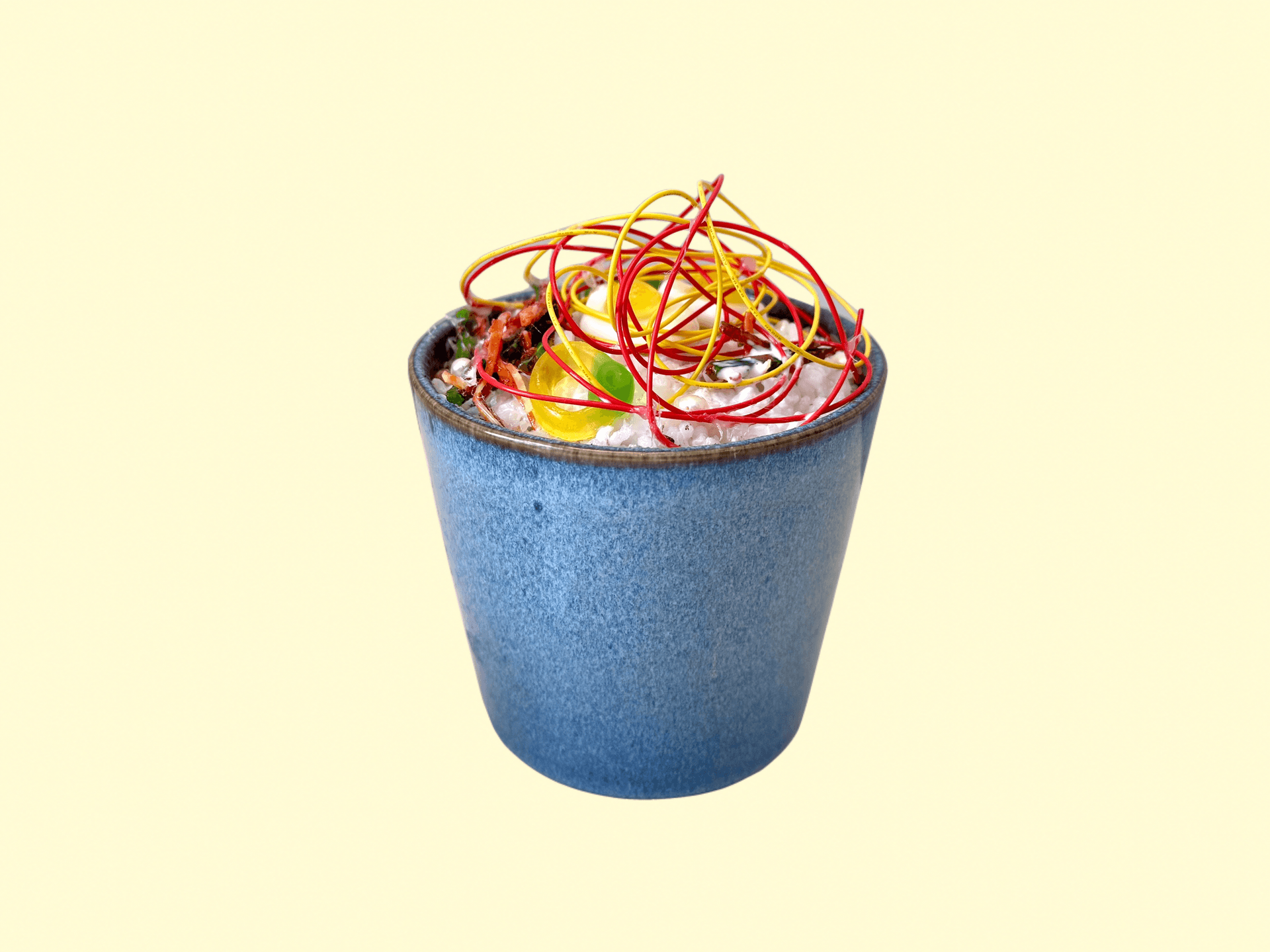
To Please, and Be Loved
정지은 Ji-eun Jung
“She? She doesn’t need a boyfriend—she’s one of those strong, independent types.”
A high-return investment, they used to say. No extra spending on cram schools, yet she made it into the top university. She earned scholarships, secured a respectable job in a public agency, dressed smart but never too bold, always mindful not to outshine others. She followed elders’ advice, played the role of the competent daughter, and when necessary, the good wife-to-be. That’s how they described her. That’s how they praised her.
From a young age, she was trained to believe that good was never enough. There was always better.
Her grandfather—the one who adored her most—would tell his friends, half-laughing: “You know, when she was little, the neighbours used to ask, ‘How could two good-looking people have such an ugly child?’” Every holiday gathering, her aunts and uncles greeted her with sharp glances before offering advice. “Girls shouldn’t gain weight. Taller would be better. Go help out—don’t just stand there. Find something useful to do.”
In eighth grade, the classmates who bullied her started calling the house. Her family yelled back through the phone, then turned to her, sighing: “Girls are just like boys. You’re allowed to cry three times in your life. After that, no more tears.”
She took their words seriously. She believed that if she worked hard enough, stayed obedient enough, pleased them enough—they’d love her. They’d protect her.
So she tried. She outperformed. She earned praise. She kept quiet. She smiled. She poured everything into being good, and better.
And in the end, it vanished—without trace or witness. No applause. No one even noticed.
*Chef’s Note|Stone Pot bibimbap (돌솥비빔밥)
When making 돌솥비빔밥, you start by cooking the rice directly in a hot stone pot. Unlike regular bibimbap, the white rice inside must endure intense, prolonged heat and pressure. What makes the dish shine isn’t the toppings—it’s the quality of the rice itself. The unseen part. The base.