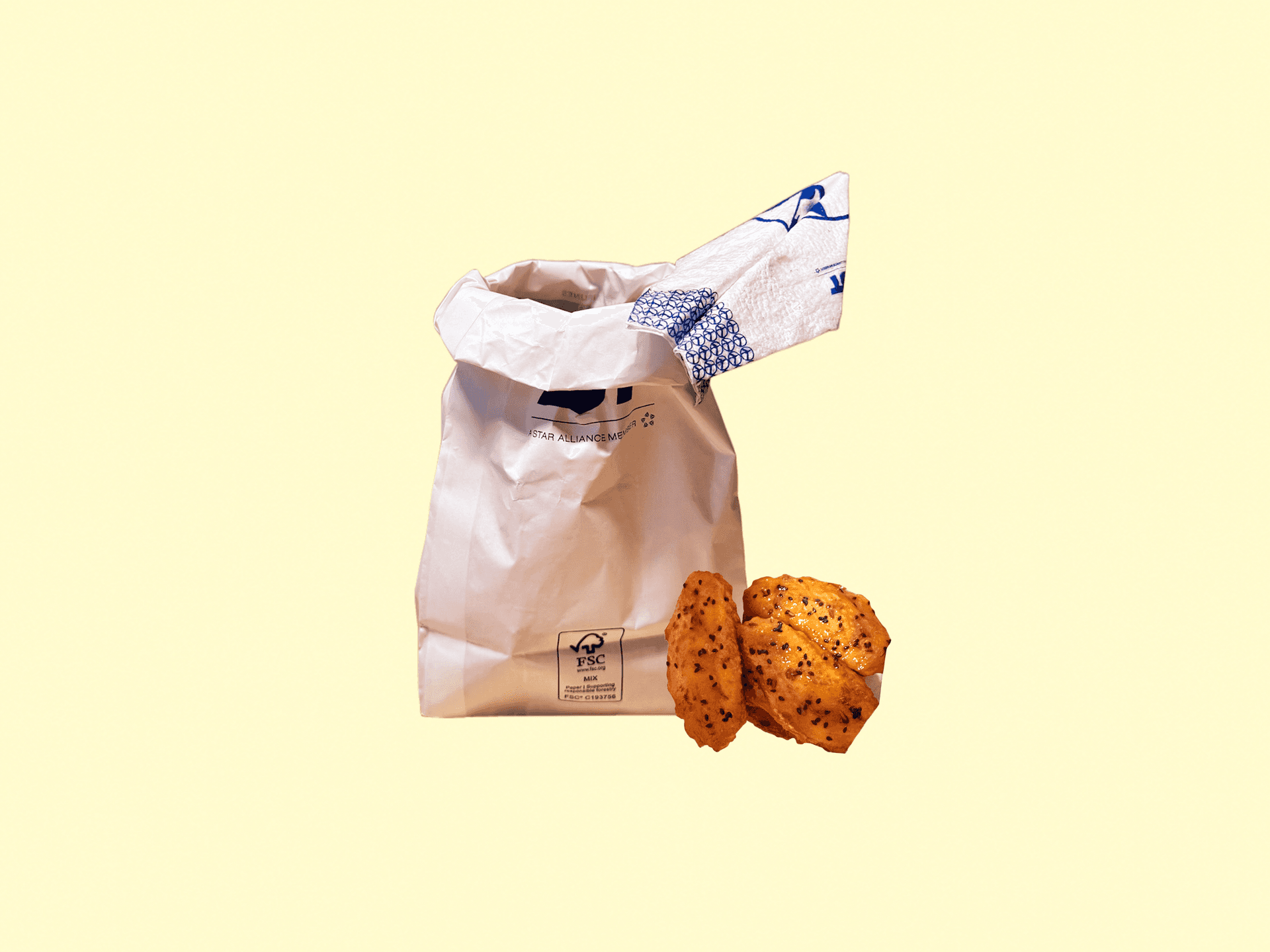
A Seat at the Table
Clementine Hei-man Cheung
In a Cantonese family, whenever there is steamed chicken for some feast occasions, the thighs are served to your loved ones and the pair of wings are usually for the kids. The meaty and greasy part. Appetites are trained and socially constructed. She has always been the one to receive the wings. So deeply can she recall the moment in her teenage, sobbing at the dining table out of a frustrating rejection, tears overflowing, falling straight down, her mother kindly chopsticked the pair of chicken wings to her bowl. She was doused in love. As if the pair of wings were offered for her, to fly, to glide, from her very own failure.
She has become the person who would spare a pair of chicken wings and thighs for her loved ones. Now, she is the one sitting at the head of the table, quietly observing the feast unfold. The wings, the thighs—once hers—no longer belong to her. Instead, she ceremoniously places them into the bowls of the children, her partner, and sometimes even the quiet guest who feels out of place. It is not a sacrifice, she tells herself, but a way of passing on something intangible—a tradition, a language of care spoken without words. The wings have become more than just food; they are symbols of resilience, of nurture, of a quiet love that lifts others. She lets them fly again.