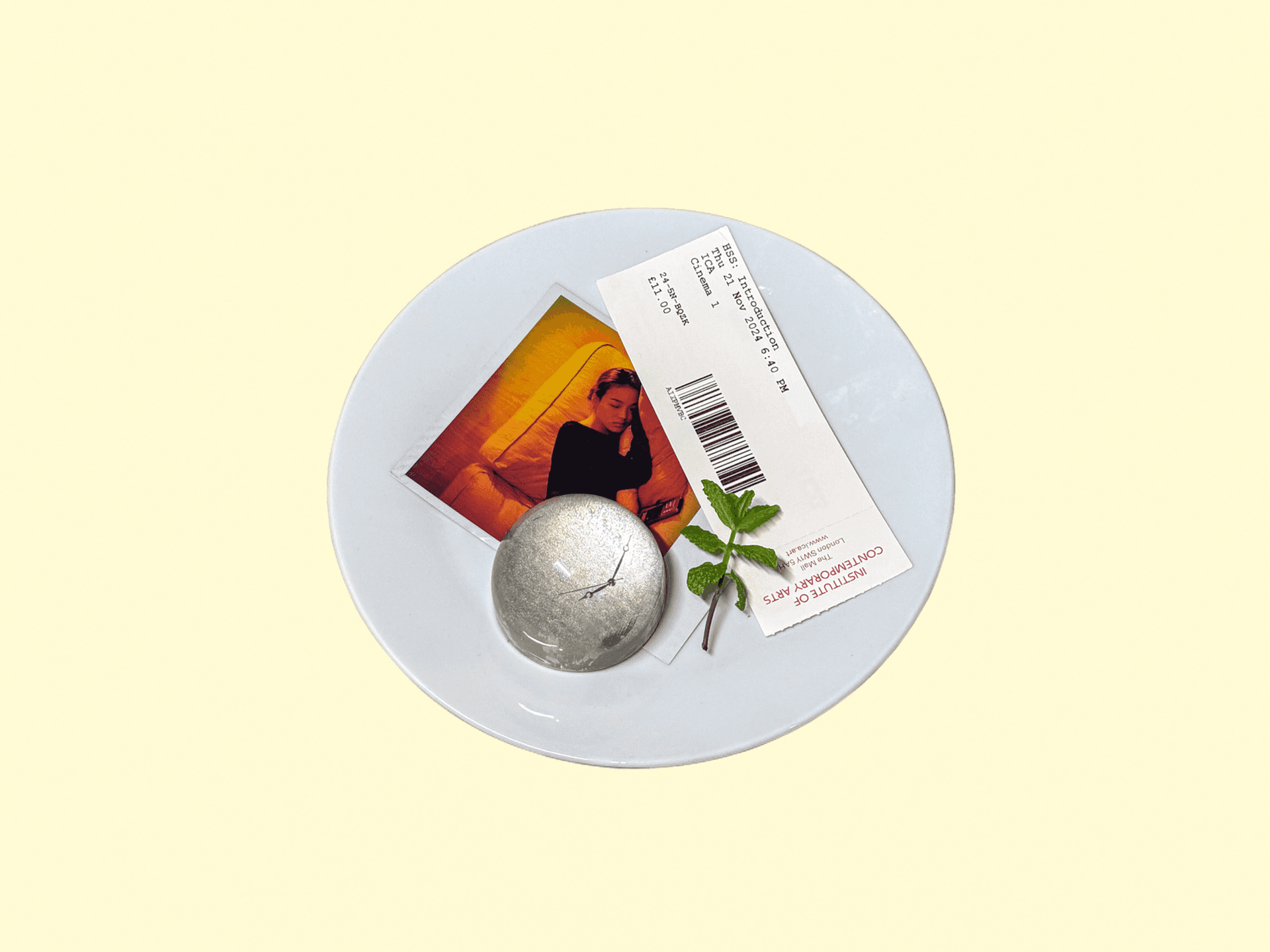
Rule of Five
Ani Syu
She turned twenty in a hotel room far from home. No candles, no cake. The TV was on, its ticker repeating the same headlines—death tolls, unrest, politics. Two crises unfolded that day—one reported, one unspoken. One belonged to the world. The other, quietly, to her.
She couldn’t quite name what she was feeling. It wasn’t fear, nor homesickness. It was more like a silent hollow, as if she were watching her own reflection from outside, disconnected. Years later, she came across a line in Boredom, Self, and Culture by Sean Desmond Healy, where hyperboredom is described as “the loss of a sense of personal meaning”—a spiritual form of alienation that, in extreme cases, can rob a person of the will to act at all (Healy, 1984, pp. 25–26). Only then did she realize: that was it. That was the weight she had been carrying since twenty—unnamed, but persistent.
“If I can’t escape it,” she once thought, “at least I’ll try to make it fun.”
That’s how the game started. A quiet experiment between her and herself. The rules were simple: arrive in a city she had never lived in, stay no more than five months, and leave before anything could take root. If she stayed longer, she lost. If she left on time, quietly and without regret, she won.
But why five months? “It’s long enough for the weather to change, for habits to form, and for emotions to start posing a risk.” Each round began with light luggage and a new language. She would find a morning route to walk, a local café, a favorite bench. She met people, but never went too deep. She immersed, but never entangled. When the days began repeating—or worse, when that familiar numbness returned—it was her cue. She’d begin to shut things down, quietly. It wasn’t escape. She didn’t need to explain.
In the final days before leaving, she wrote postcards—short, slow, and honest. One might describe a painting in a museum. Another, the way the light hit a certain corner in the afternoon. A tram line memorized by heart. These were her injury-time rituals before the next round began. She always knew she would leave.
“None of it really mattered,” she reminded herself each time. “So long as it was fun.” Just another five months. Two seasons. A cycle to resist the void.